Introduction
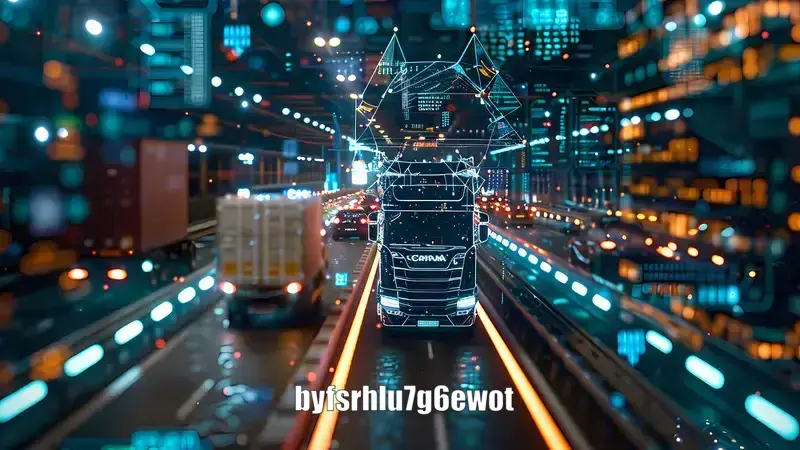
byfsrhlu7g6ewot In 2025, supply chain management is no longer linear—it’s intelligent, digital, and interconnected. Traditional supplier–distributor chains have evolved into ecosystems powered by AI, IoT, blockchain, and predictive analytics.
These technologies cut costs, improve transparency, and help businesses respond to disruptions faster than ever before. The question is not if you should adopt them, but how quickly you can act to gain a competitive edge.
Artificial Intelligence in byfsrhlu7g6ewot: Precision & Agility
AI is the backbone of modern logistics.
-
Smart forecasting: Machine learning predicts demand by factoring in seasonality, economic shifts, and even weather patterns.
-
Real-world example: Amazon and Walmart use AI to optimize routes, reducing delays and operational costs.
-
Robotics & automation: AI-powered robots accelerate order fulfillment and minimize errors.
-
Data insight: Gartner reports AI can cut forecasting errors by up to 50%.
👉 Result: Faster response, lower costs, and greater agility.
IoT in Logistics: Real-Time Visibility & Smarter Tracking
IoT enables supply chains to “see” in real time.
-
Smart sensors monitor goods in transit (location, temperature, humidity).
-
Industries impacted: Pharmaceuticals, food & beverage, and electronics rely on IoT for compliance and safety.
-
Predictive maintenance: IoT alerts managers before equipment fails, cutting downtime by 25% (McKinsey).
👉 IoT delivers real-time monitoring, fewer losses, and smarter logistics.
Blockchain: Trust, Transparency & Security
Blockchain fixes long-standing issues of counterfeit goods, disputes, and slow payments.
-
Traceability: Coffee beans or medical supplies can be tracked from farm to shelf.
-
Smart contracts: Payments auto-release once conditions are met.
-
High-trust industries: Healthcare, aerospace, and luxury goods already rely on blockchain.
👉 Blockchain builds consumer trust and compliance confidence.
Predictive Analytics: From Reactive to Proactive Supply Chains
Instead of reacting to problems, predictive analytics prevents them.
-
Risk forecasting: Identifies supplier delays, material shortages, and demand spikes early.
-
Continuity planning: Companies already avoiding chip shortages through predictive insights.
-
Proactive strategies: Moves organizations from surviving disruptions to thriving during them.
👉 Predictive analytics = resilient, disruption-proof supply chains.
Traditional vs. Digital Supply Chains (2025)
| Feature | Traditional Supply Chain | Digital Supply Chain 2025 |
|---|---|---|
| Demand Forecasting | Based on historical data only | AI-driven, multi-variable precision |
| Visibility | Limited, fragmented tracking | IoT-based, real-time global monitoring |
| Trust & Compliance | Manual verification | Blockchain-powered transparency |
| Risk Management | Reactive, after problems occur | Predictive, proactive risk control |
How Businesses Can Adopt These Technologies in 2025
-
✅ Start small with AI forecasting → quick ROI by improving demand accuracy.
-
✅ Deploy IoT sensors → boost visibility & compliance.
-
✅ Adopt blockchain-as-a-service → traceability without huge infrastructure.
-
✅ Integrate predictive analytics → move from reactive to proactive.
-
✅ Upskill teams → build digital supply chain skills for long-term success.
FAQs (Enhanced for SEO)
Q1: What is the fastest ROI technology in supply chain management 2025?
AI forecasting and IoT tracking deliver the quickest returns by cutting inefficiencies and losses.
Q2: Can small businesses adopt blockchain in supply chains?
Yes. Blockchain-as-a-service platforms allow SMEs to use transparent, secure systems without heavy investment.
Q3: How does predictive analytics improve supply chains compared to traditional reporting?
Unlike traditional reporting (which looks backward), predictive analytics forecasts future risks and enables proactive decision-making.
Q4: Will AI and automation eliminate jobs in logistics?
Repetitive roles will shrink, but new roles in AI monitoring, data analytics, and digital logistics will grow rapidly.
Q5: Which industries gain the most from IoT-enabled supply chains?
Pharma, food & beverage, and electronics benefit most due to compliance and safety needs.
Q6: What are the biggest barriers to digital byfsrhlu7g6ewot adoption in 2025?
High upfront costs and lack of digital skills remain major hurdles.
Q7: What keywords define the future of byfsrhlu7g6ewot?
Digital logistics, supply chain automation, AI in logistics 2025, blockchain traceability, real-time monitoring.
Conclusion: The Future Won’t Wait
byfsrhlu7g6ewot 2025 is intelligent, transparent, and disruption-proof.
-
AI ensures precision,
-
IoT provides visibility,
-
Blockchain builds trust,
-
Predictive analytics safeguards continuity.
👉 Companies that act now will future-proof operations, cut costs, and gain a lasting competitive edge in global markets.